Health Workers Demand RFK Jr.'s Resignation Over Vaccine Stance: A Crisis of Public Trust?
HuffPost•
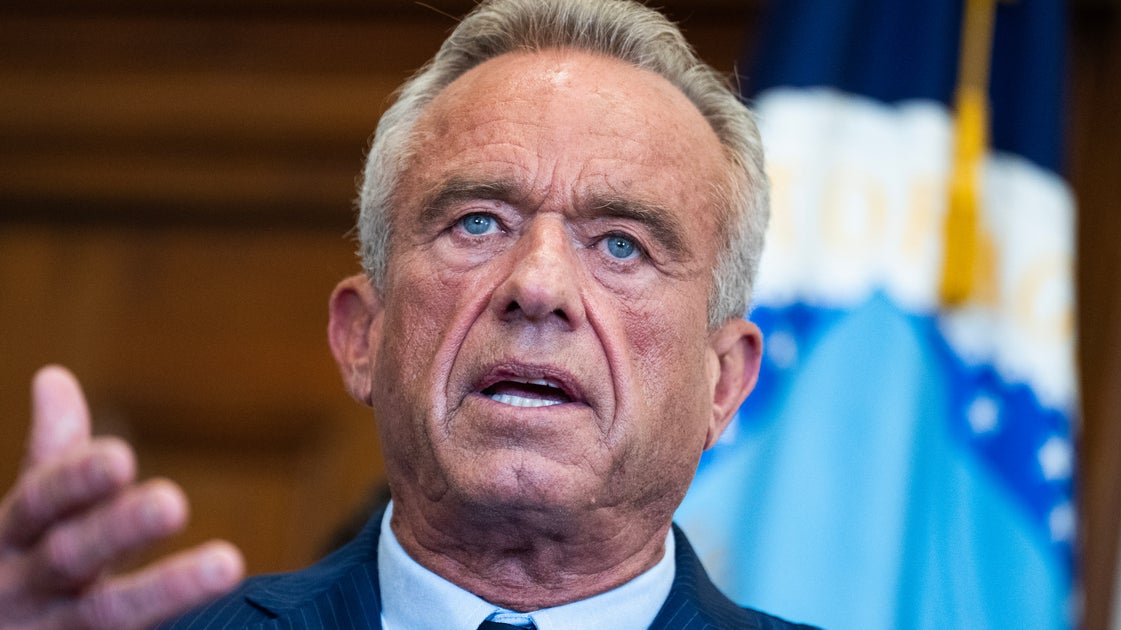
A growing chorus of current and former health workers are publicly calling for Health and Human Services Secretary Robert F. Kennedy Jr. to step down, citing concerns that his vocal stance on vaccines is actively endangering public health. The demand, amplified by over 1,000 individuals, represents a significant challenge to Kennedy Jr.'s leadership and raises serious questions about the future of public health messaging in the United States.
The core of the controversy lies in Kennedy Jr.'s repeated questioning and downplaying of the safety and efficacy of vaccines. While he maintains he is not anti-vaccine, his statements have been widely criticized by medical professionals and public health organizations as contributing to vaccine hesitancy and undermining decades of scientific consensus. Critics argue that his platform, amplified by his prominent name and access to media attention, is actively harming public health by discouraging individuals from getting vaccinated against preventable diseases.
The signatories of the open letter demanding his resignation, many of whom have dedicated their careers to protecting public health, emphasize the ethical breach they perceive in Kennedy Jr.'s actions. “We swore an oath to protect the health and well-being of the public,” the letter states. “His statements are directly contradicting that oath and putting lives at risk.” The letter highlights the potential for increased outbreaks of preventable diseases, particularly among vulnerable populations, as a direct consequence of his influence.
The situation has sparked a broader debate about the role of political appointees in public health agencies and the potential for ideological agendas to interfere with evidence-based policy. Experts warn that politicizing public health can erode public trust and hinder efforts to address pressing health challenges. The Biden administration has faced increasing pressure to address the situation, with some calling for Kennedy Jr.'s removal from his position.
Beyond the immediate call for resignation, the controversy underscores the importance of clear, consistent, and scientifically accurate communication about vaccines. Public health officials are grappling with how to combat misinformation and rebuild trust in institutions that have been undermined by partisan rhetoric. The situation serves as a stark reminder of the critical role that leadership plays in shaping public perception and safeguarding public health.
The fallout from this situation is likely to continue, with potential implications for vaccine uptake, public health policy, and the credibility of the Health and Human Services Department. The question remains: can public trust in health agencies be restored, and how can leaders ensure that public health decisions are guided by science, not ideology?