RFK Jr. Faces Scrutiny on Capitol Hill Amidst Public Health Concerns and Policy Shifts
Fox News•
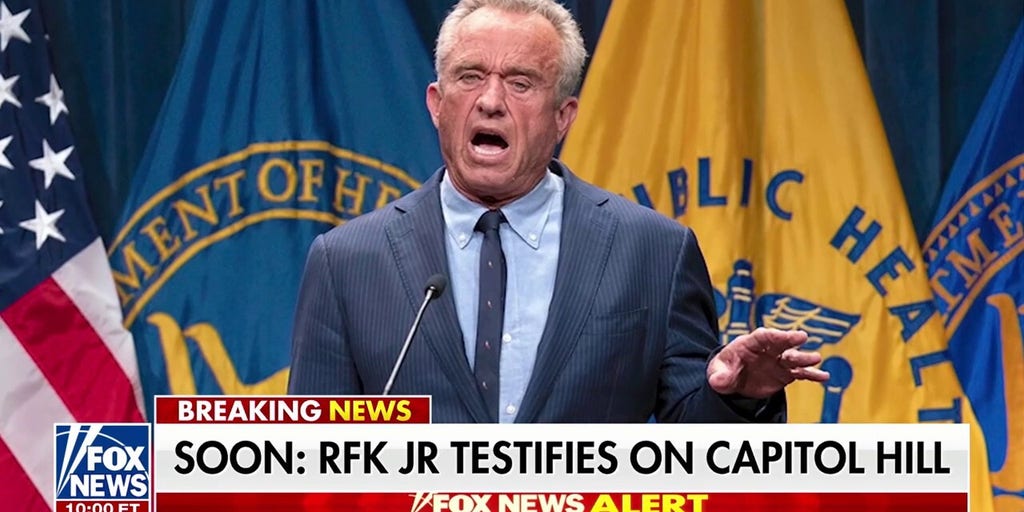
Robert F. Kennedy Jr., nominated to lead the Department of Health and Human Services (HHS), recently testified before Congress, facing a barrage of questions amidst a backdrop of significant public health shakeups and policy debates. The hearing, broadcast live and closely watched by lawmakers and the public, offered a crucial glimpse into Kennedy's vision for the nation's health agencies and his approach to navigating complex challenges.
Kennedy’s nomination has been met with both enthusiasm and considerable apprehension. His long-standing advocacy for alternative medicine and his vocal criticism of conventional pharmaceutical practices have raised concerns among some, while others applaud his willingness to challenge the status quo and explore new avenues for improving public health outcomes. This testimony served as a critical opportunity for Congress to delve into these perspectives and assess his suitability for the role.
Key Areas of Inquiry: The hearing covered a wide range of topics, including Kennedy's views on vaccine safety, the opioid crisis, mental health services, and the ongoing fight against infectious diseases. Lawmakers pressed him on his past statements regarding vaccines, seeking clarification on his stance and how it would influence his decisions as HHS Secretary. His responses were carefully scrutinized for potential conflicts of interest and their impact on public health policies.
The opioid epidemic remained a central focus, with committee members probing Kennedy's plans for addressing the root causes of addiction, expanding access to treatment, and preventing future overdoses. His proposals for tackling the mental health crisis, particularly among young people, were also examined, highlighting the urgent need for increased resources and innovative approaches.
Policy Landscape and Challenges: Kennedy's testimony occurred during a period of considerable change within the public health sector. Recent shifts in leadership at the Centers for Disease Control and Prevention (CDC) and the National Institutes of Health (NIH) have created a sense of uncertainty and a need for renewed direction. The ongoing debate over pandemic preparedness and the lessons learned from the COVID-19 crisis further complicate the landscape.
The Road Ahead: The outcome of this hearing will undoubtedly influence the trajectory of Kennedy's nomination. While his supporters argue that his unconventional approach could bring fresh perspectives and much-needed reform to the HHS, critics remain skeptical. The Senate Health, Education, Labor and Pensions (HELP) Committee will now consider the testimony and potentially schedule a vote. The full Senate will then have the opportunity to weigh in on his confirmation.
As the nation grapples with evolving public health challenges, the selection of the next HHS Secretary is of paramount importance. Kennedy’s performance on Capitol Hill provided valuable insights into his qualifications and potential impact on the nation's health and well-being. The coming weeks will be crucial in determining whether he can garner the support needed to lead this vital agency.