
Alarming Patient Safety Risks in Mental Health Units: Are AI Monitoring Systems Putting Patients at Risk?
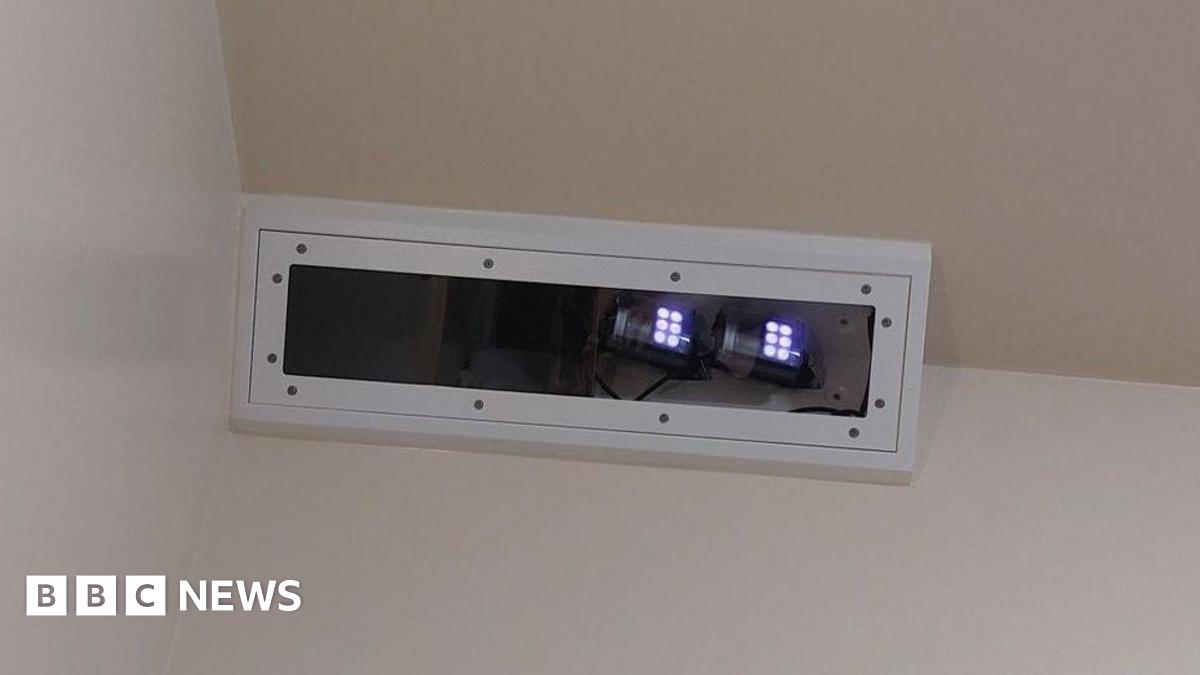
Mental health units are increasingly adopting sophisticated monitoring systems utilizing infrared sensors and cameras to track patients' well-being. While intended to enhance safety and improve response times to distress, growing concerns are emerging regarding the potential risks these technologies pose to patient safety and privacy. This article delves into these concerns, examining the limitations of current systems and advocating for a more human-centered approach to patient care.
The Promise of AI-Powered Monitoring
The core idea behind these systems is simple: use technology to continuously monitor patients in their rooms, detecting signs of distress – agitation, falls, self-harm attempts – and alerting staff immediately. Infrared sensors can detect movement and body temperature changes, while cameras provide visual confirmation. Proponents argue that this allows for faster intervention, potentially preventing serious harm and reducing the need for constant human observation, freeing up staff for other crucial tasks.
The Emerging Concerns: Beyond the Technology
However, the reality is proving more complex. Several critical issues are raising alarms among mental health professionals and patient advocates:
- False Positives and Alert Fatigue: The systems are prone to generating false alarms – triggered by routine movements, shadows, or even changes in lighting. This constant barrage of alerts can lead to “alert fatigue” among staff, causing them to become desensitized and potentially miss genuine cries for help.
- Lack of Contextual Understanding: AI algorithms lack the nuanced understanding of human behavior that a trained mental health professional possesses. They can’t differentiate between a patient pacing nervously and a patient exhibiting signs of a severe mental health crisis.
- Privacy and Dignity Concerns: Constant surveillance, even with the best intentions, can be profoundly distressing for patients struggling with mental health issues. It can erode their sense of dignity, autonomy, and trust in the care team. The potential for data breaches and misuse of sensitive patient information is also a significant concern.
- Over-Reliance on Technology: There’s a risk that these systems will lead to an over-reliance on technology, diminishing the importance of human interaction and therapeutic relationships, which are vital for recovery.
- Bias in Algorithms: Like any AI system, these monitoring tools are susceptible to biases present in the data they are trained on. This could lead to disparities in care, with certain patient populations being unfairly flagged or overlooked.
Moving Forward: A Human-Centered Approach
The goal shouldn't be to abandon technology altogether, but to integrate it responsibly and ethically. Here are some key recommendations:
- Prioritize Human Oversight: Monitoring systems should always be used as a tool to *assist*, not replace, human observation and clinical judgment.
- Improve Algorithm Accuracy: Continuous refinement and validation of algorithms are essential to reduce false positives and improve accuracy.
- Transparency and Patient Consent: Patients should be fully informed about the use of monitoring systems and their rights regarding data privacy. Consent should be obtained whenever possible.
- Focus on Therapeutic Relationships: Invest in training staff to build strong therapeutic relationships with patients and to interpret behavioral cues effectively.
- Regular Audits and Evaluations: Independent audits should be conducted to assess the effectiveness and impact of monitoring systems on patient safety and well-being.
Conclusion
The use of AI-powered monitoring systems in mental health units holds promise, but it also presents significant risks. A cautious and ethical approach is crucial, one that prioritizes patient safety, privacy, and dignity above all else. Only by combining technological advancements with a strong foundation of human care can we truly create a safe and supportive environment for individuals struggling with mental health challenges. The conversation around these technologies needs to evolve beyond simply implementing them, and towards a critical evaluation of their impact on the core principles of mental healthcare.