
Fatty Liver Reversal: Doctors Outline Tests & Lifestyle Changes
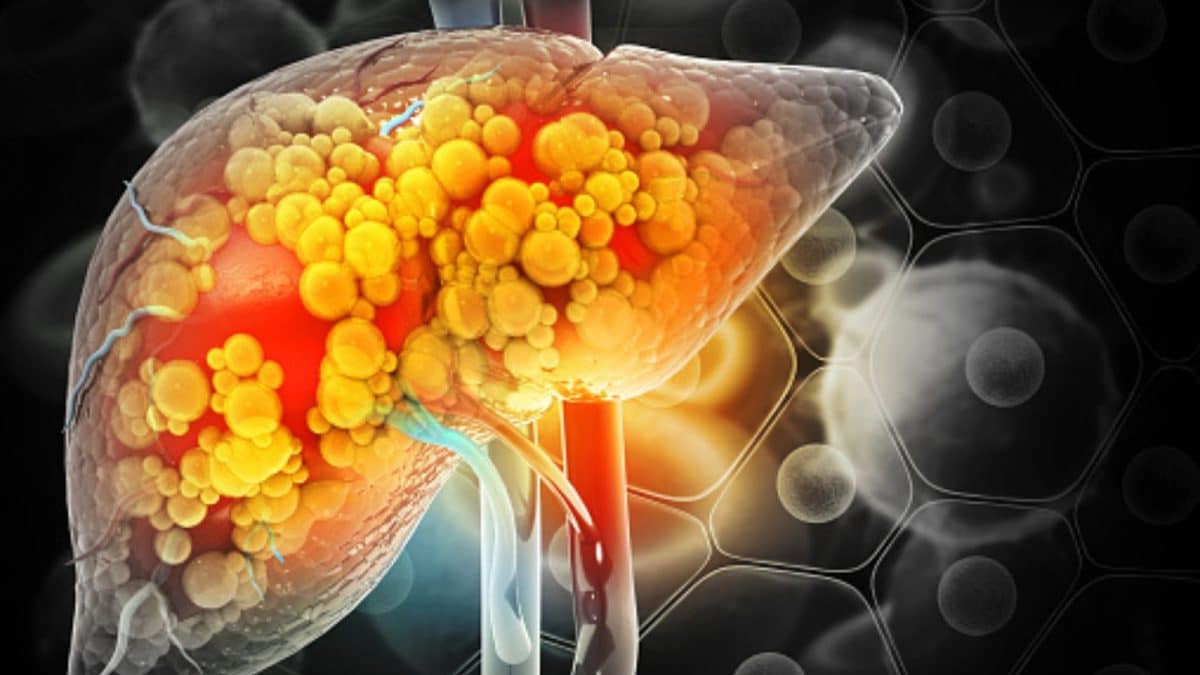
Rising rates of fatty liver disease are prompting concern among medical professionals, largely attributed to increasingly poor diets and sedentary lifestyles. Doctors are now emphasizing the possibility of reversing the condition through targeted lifestyle modifications and early detection through specific tests.
Fatty liver disease occurs when excess fat accumulates in the liver, potentially leading to inflammation and, if left untreated, serious complications like cirrhosis and liver failure. The condition often develops silently, with many individuals unaware they are affected until symptoms become more pronounced. These symptoms can include fatigue, abdominal discomfort, and elevated liver enzymes.
Early detection is crucial for successful reversal. Doctors recommend a range of tests to diagnose fatty liver, including blood tests to measure liver enzyme levels (such as ALT and AST) and imaging scans like ultrasound or MRI to assess the amount of fat in the liver. These tests help determine the severity of the condition and guide treatment strategies.
The cornerstone of fatty liver reversal is lifestyle modification. Weight loss, even a modest reduction of 5-10% of body weight, can significantly reduce fat accumulation in the liver. Dietary changes are also essential, focusing on a balanced diet rich in fruits, vegetables, and whole grains, while limiting processed foods, sugary drinks, and saturated fats. Regular physical activity, such as aerobic exercise and strength training, further contributes to improved liver health.
Beyond weight loss and diet, doctors often recommend avoiding alcohol consumption and addressing any underlying metabolic conditions, such as diabetes or high cholesterol, which can exacerbate fatty liver disease. Consistent monitoring and adherence to these lifestyle changes are key to achieving and maintaining a healthy liver.