
Meta Ray-Ban Smart Glasses: A Deep Dive into the Innovative Waveguide Display Technology
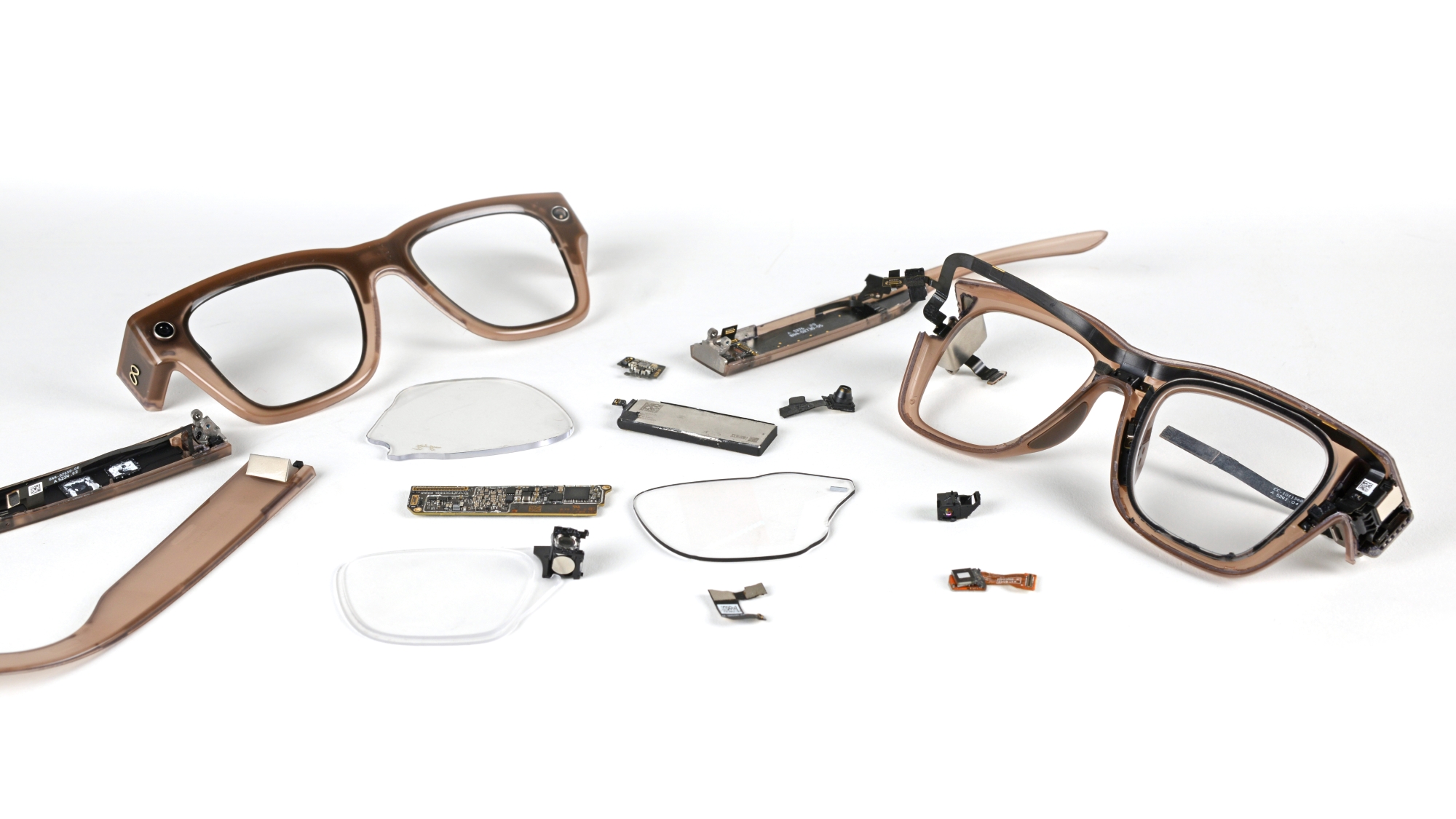
Meta's Ray-Ban smart glasses have been making waves, blending fashion and technology in a sleek and stylish package. But beyond the aesthetics, lies a fascinating piece of engineering: the waveguide display technology. Recently, the expert teardown team at iFixit took a deep dive into these smart glasses, providing a detailed look at the intricate components that make them tick.
Unveiling the Waveguide Magic
The core innovation of the Ray-Ban smart glasses is the use of waveguide technology to project images directly onto the lenses. Unlike traditional micro-OLED displays that require a large, bulky projector, waveguides offer a much more compact and efficient solution. Essentially, the waveguide is a thin, transparent piece of glass with microscopic structures etched into it. These structures redirect light from a tiny micro-OLED projector, guiding it towards the user's eyes.
How it Works: A Detailed Explanation
Here's a breakdown of the process:
- Micro-OLED Projector: A small, high-resolution micro-OLED projector generates the image.
- Coupler: This component directs the light from the projector into the waveguide.
- Waveguide: The waveguide, typically made of glass or plastic, contains a complex pattern of microscopic ridges and grooves. These structures act as tiny mirrors, bouncing the light precisely where it needs to go.
- Diffuser: A diffuser layer ensures that the light is evenly distributed across the lens, creating a bright and clear image for the user.
iFixit's teardown revealed the complexity behind this seemingly simple process. They meticulously documented the various layers and components involved, highlighting the precision engineering required to achieve a seamless and immersive viewing experience.
Benefits of Waveguide Technology
The adoption of waveguide technology in the Ray-Ban smart glasses offers several key advantages:
- Compact Design: Waveguides significantly reduce the size and weight of the display system, allowing for a more stylish and comfortable smart glasses design.
- High Brightness: Waveguides can achieve high brightness levels, ensuring visibility even in bright outdoor conditions.
- Wide Field of View: The technology allows for a wider field of view compared to other AR display solutions.
- Efficiency: Waveguides are relatively energy-efficient, contributing to longer battery life.
Beyond the Ray-Bans: The Future of AR Displays
The success of the Ray-Ban smart glasses and their innovative waveguide display technology is a significant step forward for the augmented reality (AR) industry. As AR technology continues to evolve, waveguide displays are expected to play an increasingly important role, enabling more immersive and seamless AR experiences across a wide range of applications, from gaming and entertainment to navigation and productivity.
iFixit's teardown provides valuable insights into the inner workings of these cutting-edge smart glasses, shedding light on the technology that is shaping the future of wearable computing.