
Treasury Secretary Bessent Outlines New Trade and Finance Framework
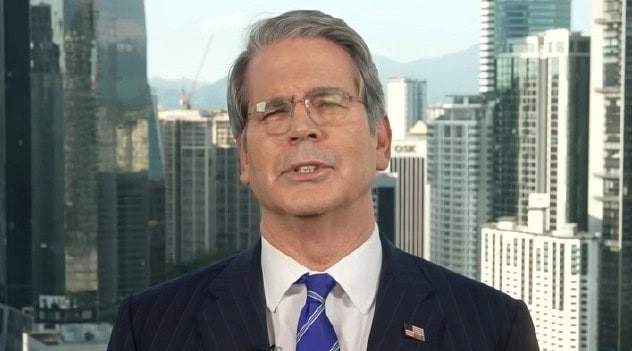
Treasury Secretary Scott Bessent introduced a new economic policy framework linking American trade, supply chains, and finance to national security.
Economic Policy and National Security
Speaking at The Economic Club of New York during a gala celebrating America's 250th anniversary, Treasury Secretary Scott Bessent detailed a sweeping shift in how the United States approaches global commerce. The proposed framework explicitly connects foreign trade practices and the management of global supply chains to the broader objectives of national security.
Bessent's remarks signal a strategic realignment intended to protect American interests in an increasingly complex global market. The framework suggests that maintaining financial dominance is no longer a purely economic objective but a fundamental requirement for safeguarding the nation's stability and influence.
Focus on Supply Chain Resilience
A core component of the Secretary's outline involves the oversight of global supply chains. The administration intends to scrutinize trade dependencies that could pose risks to domestic industrial capabilities or essential resource availability. By integrating these concerns into the Treasury's economic mandate, the policy seeks to mitigate vulnerabilities in critical sectors.
The Secretary highlighted several key areas of focus within this new economic architecture:
- The strategic management of foreign trade to ensure domestic competitiveness.
- The fortification of global supply chains against geopolitical disruptions.
- The preservation of U.S. financial dominance in international markets.
- The integration of national security protocols into economic decision-making processes.
Implications for Global Markets
Industry analysts expect these new rules to influence how multinational corporations structure their international operations. As the Treasury Department moves to tie trade policy more closely to security concerns, companies may face increased scrutiny regarding their sourcing and financial ties to foreign entities.
The transition toward this security-centric economic model marks a significant evolution in American fiscal and trade strategy. While specific regulatory implementation details remain forthcoming, the Secretary's address establishes the underlying philosophy for the Treasury's upcoming initiatives regarding international economic engagement.