States Squeezed: Trump-Era Health Funding Cuts Trigger Budget Crisis
CBS News•
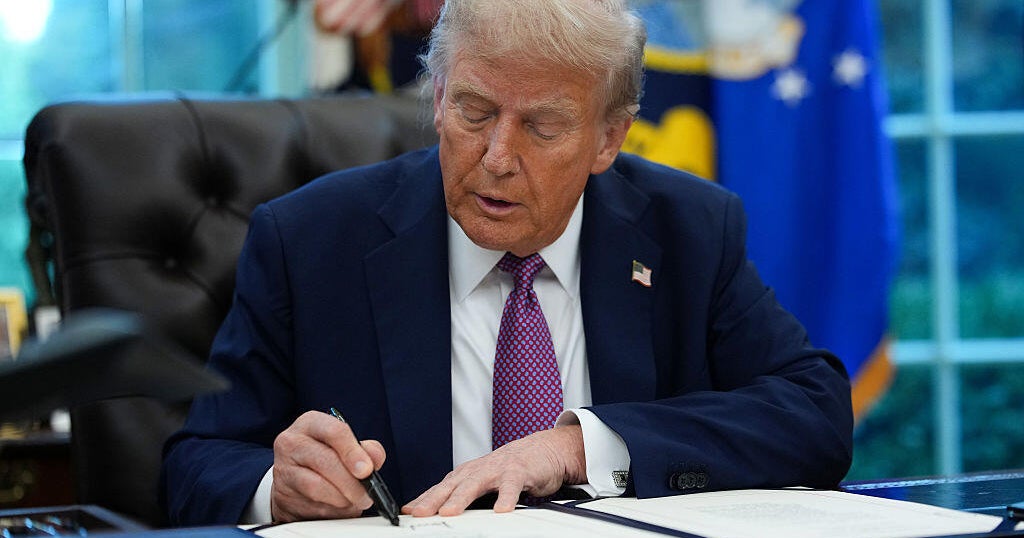
The lingering effects of the Trump administration's healthcare funding cuts are creating a significant financial strain on states across the nation. As federal support diminishes, states are grappling with difficult budget decisions, compounded by a complex economic landscape. This situation threatens essential public health programs and services, impacting millions of Americans.
A Shift in Financial Responsibility
During the Trump administration, a deliberate shift occurred, transferring a greater portion of healthcare costs to state governments. This policy change, while intended to promote state autonomy, has inadvertently created a precarious situation, particularly as states face a confluence of economic challenges.
The Perfect Storm of Fiscal Pressures
Several factors are converging to intensify the budgetary pressure on states. First, declining state tax revenues, a consequence of economic uncertainty and inflation, are reducing the funds available for essential services. Second, the gradual decline in pandemic-related spending, while a positive sign of recovery, also means less federal aid flowing to states. Finally, the overall economic uncertainty – including concerns about a potential recession – makes long-term financial planning exceptionally difficult.
Impact on Public Health Programs
The reduced federal funding is already impacting vital public health programs. States are being forced to make tough choices about which services to prioritize, potentially leading to cuts in areas such as preventative care, mental health services, and support for vulnerable populations. The consequences could be far-reaching, potentially reversing progress made in improving public health outcomes and exacerbating existing health disparities.
Specific Areas of Concern
- Medicaid: States bear a significant portion of Medicaid costs, and reduced federal funding puts upward pressure on state budgets.
- Public Health Infrastructure: Funding for essential public health infrastructure, including disease surveillance and emergency preparedness, is at risk.
- Mental Health Services: States are struggling to meet the growing demand for mental health services, and budget cuts could further limit access to care.
- Rural Healthcare: Rural communities, which often rely heavily on state and federal funding for healthcare services, are particularly vulnerable.
Looking Ahead: Potential Solutions and Challenges
Addressing this crisis will require a multi-faceted approach. States are exploring various options, including seeking increased state tax revenues, streamlining government operations, and advocating for greater federal support. However, these solutions are not without challenges. Raising taxes can be politically unpopular, and securing additional federal funding may be difficult in a climate of fiscal austerity.
The situation highlights the importance of a strong partnership between the federal government and state governments in ensuring access to affordable, quality healthcare for all Americans. Failure to address this issue could have serious consequences for public health and the nation's economy.
As states navigate this turbulent financial landscape, the long-term implications for healthcare access and quality remain a significant concern. The need for proactive solutions and collaborative efforts has never been greater.