
Zambia Eyes Extended IMF Deal & Boosted Financing Before Year-End
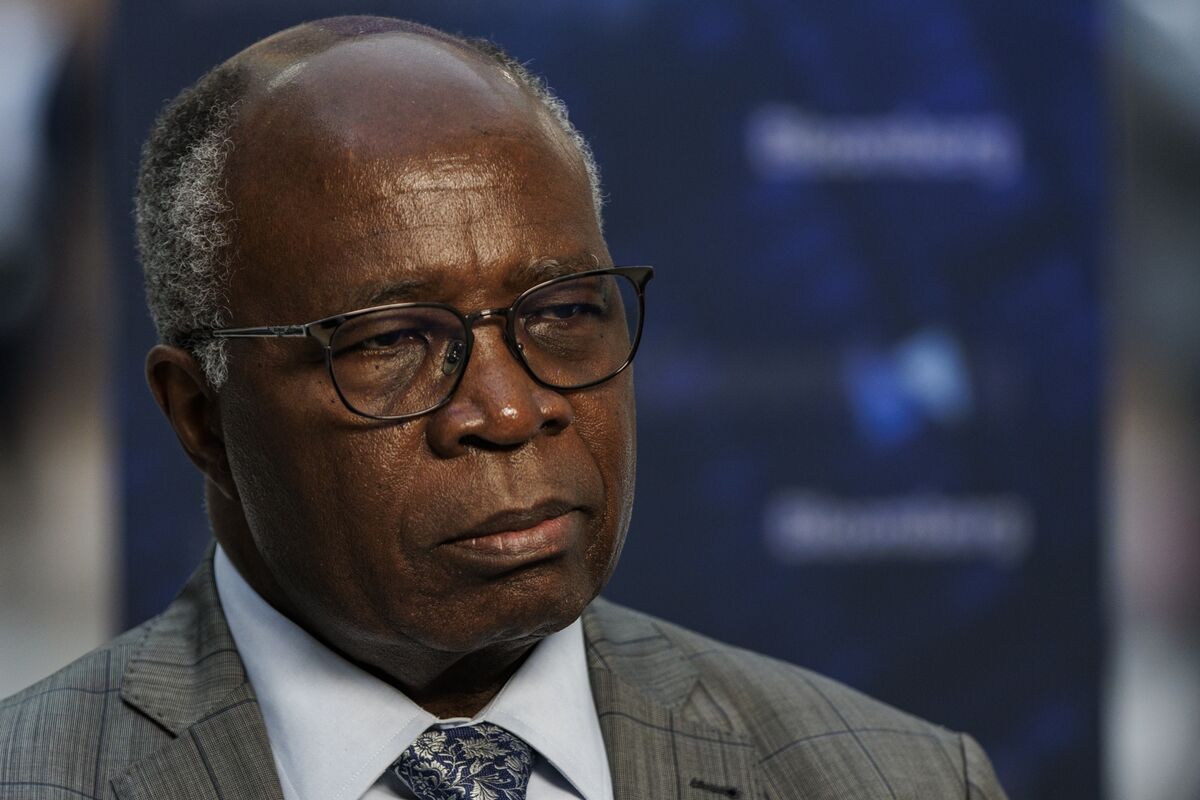
Lusaka, Zambia – Zambia is aggressively pursuing a crucial extension of its International Monetary Fund (IMF) program, aiming to secure a deal by the end of the year. According to Finance Minister Milenko Kangolo, the nation is seeking a 12-month extension of the current program, coupled with increased financing to bolster its economic recovery efforts.
This move comes as Zambia navigates a challenging economic landscape, recovering from a sovereign debt crisis that required a debt restructuring process. The existing IMF program, vital for stabilizing the economy and restoring investor confidence, is nearing its expiration date. Securing an extension is therefore paramount for maintaining momentum in Zambia's reform agenda.
Why the Extension Matters: The IMF program has been instrumental in guiding Zambia's economic policies, promoting fiscal discipline, and attracting international support. A successful extension will provide continued policy support and enhance the country's access to international capital markets. It signals to investors that Zambia is committed to sustainable economic management and responsible debt practices.
Beyond the Extension: Additional Financing Needs Minister Kangolo highlighted the importance of securing additional financing alongside the extension. Zambia faces significant funding gaps as it implements its economic recovery plan, which includes investments in infrastructure, healthcare, and education. The additional financing will help bridge these gaps, accelerating progress towards sustainable development goals.
Negotiations and Outlook: Discussions with the IMF are reportedly progressing well, although specific details of the extended program and financing package remain under negotiation. The Zambian government is optimistic about reaching an agreement before the year-end, citing the IMF’s commitment to supporting African nations facing economic challenges.
Debt Restructuring Progress: The extension request is closely linked to Zambia's ongoing debt restructuring efforts. The country has been working with creditors to renegotiate the terms of its external debt, aiming to reduce its debt burden and create fiscal space for essential investments. The IMF plays a key role in facilitating this process, providing technical assistance and monitoring progress.
Economic Implications: A positive outcome to these negotiations would have significant implications for Zambia's economy. It would strengthen investor confidence, attract foreign investment, and support sustainable economic growth. It would also help to stabilize the Zambian Kwacha and reduce inflationary pressures. However, challenges remain, and continued implementation of reforms will be crucial to achieving long-term economic stability and prosperity.
The Zambian government is determined to secure a favorable outcome from these negotiations, recognizing the vital role of the IMF in supporting the country's economic recovery and development. The coming months will be critical as Zambia works to finalize the extended program and secure the necessary financing to achieve its economic goals.