
Treasury Secretary Scott Bessent Links US Trade to National Security
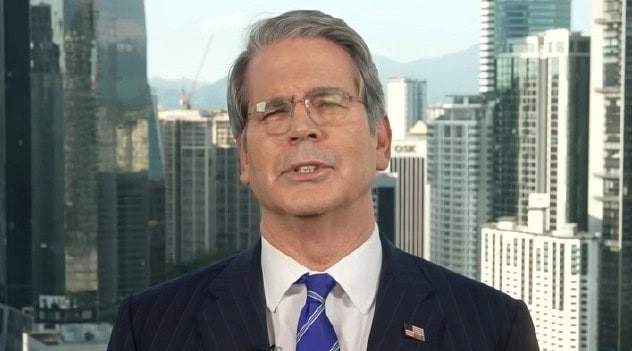
Treasury Secretary Scott Bessent has introduced a new economic framework tying American trade and global supply chains directly to national security.
New Economic Policy Framework
Speaking at The Economic Club of New York during a gala celebrating America's 250th anniversary, Scott Bessent outlined a strategic shift in how the United States approaches international commerce. The proposed framework explicitly integrates foreign trade policy and global supply chain management with the broader objectives of national security and financial dominance.
The policy aims to reshape the intersection of economic activity and geopolitical stability. By categorising trade dependencies as security vulnerabilities, the Treasury Department intends to implement stricter oversight on critical economic sectors.
Global Supply Chain Security
A central component of the Secretary's address involved the protection of essential supply chains. The administration's strategy focuses on several key areas:
- The resilience of critical manufacturing sectors.
- The mitigation of economic dependencies on strategic foreign adversaries.
- The maintenance of American leadership in global financial markets.
- The integration of trade regulations with national defence priorities.
This approach signals a departure from traditional laissez-faire economic models, moving instead towards a more managed trade environment where economic strength is viewed as a primary instrument of statecraft.
Financial Dominance and National Interest
Bessent emphasised that maintaining American financial dominance is not merely an economic goal but a fundamental requirement for preserving national sovereignty. The framework suggests that the control of global financial flows and the stability of the US dollar are inextricably linked to the country's ability to respond to international threats.
The implementation of these rules is expected to influence how US agencies interact with multinational corporations and foreign governments. While specific regulatory details are still being finalised, the direction of travel suggests a more assertive stance in global trade negotiations and investment screening processes.