
The Rise of Facial Recognition: How Police Departments Are Using It and What It Means for You
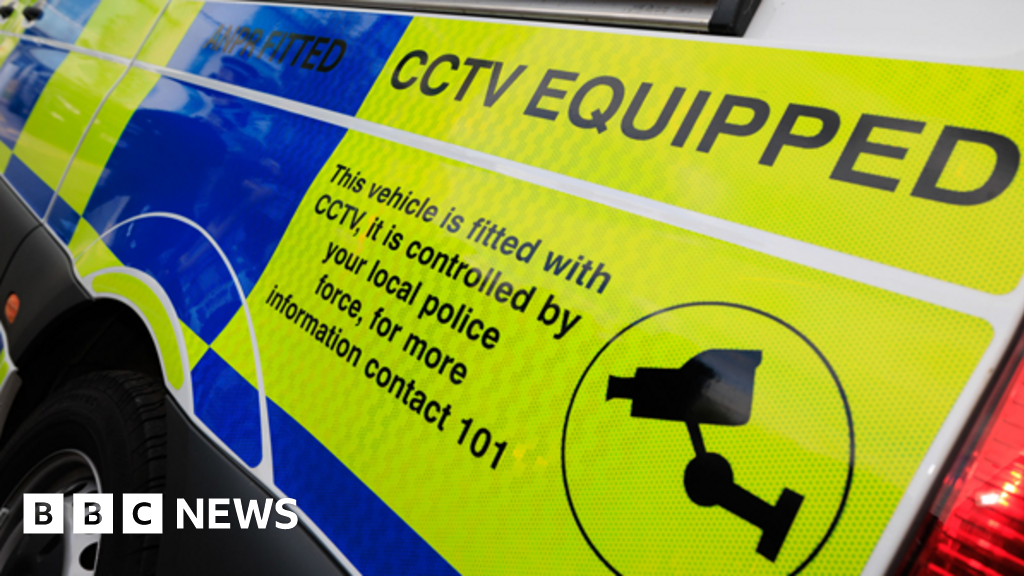
Facial recognition technology is rapidly changing the landscape of law enforcement. But what exactly is facial recognition, how do police use it, and what are the potential implications for privacy and civil liberties? This article dives deep into the world of facial recognition, exploring its capabilities, current applications by police departments, and the growing debate surrounding its use.
Understanding Facial Recognition Technology
At its core, facial recognition is a sophisticated form of artificial intelligence (AI) that allows computers to identify or verify individuals by analyzing their facial features. Unlike simple image recognition, which can identify objects like cars or trees, facial recognition specifically focuses on human faces.
The process typically involves three stages:
- Detection: The system first detects the presence of a face within an image or video.
- Analysis: Once a face is detected, the system analyzes it, measuring key biometric features. These features go far beyond just a simple comparison of eye color or hair style. Sophisticated algorithms measure precise distances and angles, including the width of the nose, the distance between the eyes, the shape of cheekbones, the depth of eye sockets, and even subtle contours of the face.
- Comparison: Finally, the analyzed data is compared to a database of known faces. If a match is found, the system identifies the individual.
Modern facial recognition systems utilize incredibly complex algorithms, often employing machine learning to improve accuracy and adapt to variations in lighting, pose, and expression.
How Police Departments Are Utilizing Facial Recognition
Police departments across the US and globally are increasingly adopting facial recognition technology for a variety of purposes. Some of the most common applications include:
- Identifying Suspects: Facial recognition can be used to scan surveillance footage or live video feeds to identify potential suspects in crimes.
- Locating Missing Persons: The technology can help locate missing children or adults, particularly those who are vulnerable.
- Verifying Identities: Law enforcement agencies may use facial recognition to verify the identities of individuals during traffic stops or other encounters.
- Crowd Surveillance: In large public gatherings, facial recognition can be used to monitor for known criminals or individuals of interest.
Many police departments are using commercially available facial recognition software, often integrating it with existing surveillance systems. Some agencies have even partnered with private companies to access vast databases of facial images.
The Controversy and Concerns
Despite its potential benefits, the use of facial recognition by police raises serious concerns about privacy, accuracy, and potential for bias. Critics argue that the technology could lead to mass surveillance, chilling effects on free speech, and disproportionate targeting of minority communities.
- Accuracy Issues: Facial recognition systems are not always accurate, particularly when identifying individuals with darker skin tones. Studies have shown that these systems exhibit significantly higher error rates for people of color.
- Bias and Discrimination: If the databases used to train facial recognition systems are biased, the technology can perpetuate and amplify existing societal biases.
- Lack of Regulation: In many jurisdictions, there are few or no regulations governing the use of facial recognition by law enforcement. This lack of oversight raises concerns about potential abuses.
The debate over facial recognition is ongoing, with policymakers grappling with how to balance the potential benefits of the technology with the need to protect civil liberties. As facial recognition becomes more widespread, it is crucial to have open and informed discussions about its implications for society.