
Glaciers & Mountains: Vital Landscapes Face Climate Change
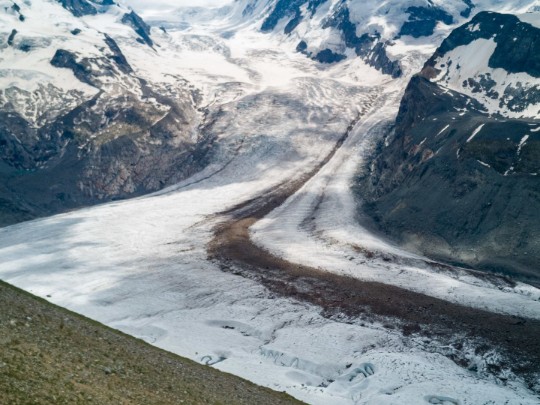
The dramatic combination of towering mountains and expansive glaciers forms some of Earth’s most breathtaking landscapes. These icy formations, shaped over thousands of years, are not only visually stunning but also play a crucial role in the planet's ecosystem and climate.
Glaciers, created from compressed snow, gradually descend mountain slopes, sculpting valleys and leaving distinctive geological features in their wake. Iconic mountain ranges like the Himalayas, Andes, and Alps vividly demonstrate the impact of glacial activity. These areas provide exceptional opportunities for hiking and climbing, while simultaneously serving as sensitive indicators of climate change.
The retreat of glaciers in recent decades serves as a clear warning of a warming planet. Rising temperatures are causing these frozen landscapes to diminish at an accelerating rate, affecting water resources and jeopardizing the fragile ecosystems they sustain. Understanding the connection between mountain ranges, glacier melt, and climate change is essential to preserving these natural wonders for future generations.
Protecting these environments demands international collaboration and sustainable practices aimed at minimizing the effects of climate change and safeguarding these remarkable landscapes. The ongoing changes highlight the urgency of addressing global warming to ensure the long-term health of these vital natural resources.